Short answer: yes. A website is the only part of your online presence that you actually own, and in 2026 that matters more than it did five years ago, not less.
The longer answer is worth your time, because the reasons have changed. It is no longer about looking professional, though it still does that. It is about who controls the connection between you and the people who like your music.
What changed since the last time you thought about this#
For a while it really did feel like social media had replaced the artist website. You posted, people saw it, some of them showed up to gigs. Then the platforms grew up and the deal got worse.
Organic reach on the big platforms has been shrinking for years. You can have thousands of followers and still reach only a small slice of them with any given post, because the feed is an auction and you are not the highest bidder. The people who followed you because they love your music simply do not see most of what you make.
Platforms also disappear or fade. MySpace was the artist website once. Vine built careers and then vanished. Nobody knows which of today's platforms will matter in five years, and if your entire audience lives inside one of them, that risk is yours.
The newest shift is search itself. More and more people ask an AI assistant a question and read one answer instead of clicking through ten results. Those assistants pull from pages they can crawl and cite. A well structured website about you is exactly the kind of source they use. A social profile behind a login wall usually is not.
What a website does that nothing else can#
It gives you one link that never changes. Bios, press features, QR codes on posters, the back of a vinyl sleeve. One address that works everywhere and never gets rebranded, throttled, or shut down.
It lets you collect emails. An email list is the only audience channel where the platform does not sit between you and the fan. Open rates on a small honest list beat organic social reach by a distance, and the list is yours if you ever move tools.
It makes you look bookable. Promoters, venues, festival programmers, and journalists still check for a website. A real site with your music, photos, upcoming dates, and a press kit answers their questions before they ask. A linktree does not.
It controls what search engines and AI assistants say about you. When someone searches your artist name, you want the top result to be a page you wrote, not a stale aggregator profile with the wrong genre and a photo from 2019.
It shows you real numbers. Your own analytics tell you which cities are listening, which pages people visit, and where they came from. That is information you can take into booking conversations.
Is a link-in-bio page enough?#
A link-in-bio page is fine as a bridge. It is one page of buttons, and for the first few months that might genuinely be all you need.
The limits show up quickly though. You cannot rank in search for anything with it. You cannot host a press kit, a proper photo gallery, or a tour page with past dates. Most of them put their own branding on your page. And you are back to renting space on someone else's platform, which is the exact problem you were trying to solve.
If you already keep a link-in-bio page current, you have already proven you can maintain a website. The real thing is not more work than that anymore.
When is it too early for a website?#
Honestly, almost never, but the priorities differ by stage.
If you have not released anything yet, a single page with your name, one photo, a short bio, and an email signup is plenty. You are just claiming the ground.
If you release music and play shows, you are past the point where a website is optional. Every gig flyer, playlist placement, and mention is sending people somewhere. Right now it is sending them to a search results page you do not control.
The effort argument is dead#
The classic reason to skip a website was that building one was a project. A weekend fighting a generic page builder, or real money paying someone else to fight it for you, and then it sat there going stale.
That is the part that has actually changed. Tools built specifically for musicians can now pull your releases, artwork, bio, and dates from the platforms where they already live and assemble a real site around them. With Artistplus you paste a link to your Spotify or SoundCloud profile and get a full website to edit, not a blank template staring back at you. There is a free plan, so trying it costs nothing but a few minutes.
If you want the full walkthrough of what belongs on the site itself, read How to Make a Musician Website next.
Common questions#
Do musicians need a website if they have a strong Instagram or TikTok?#
Yes, and arguably more than anyone. A big social following is an asset sitting on rented land. A website converts a slice of that following into email subscribers and search presence you own, so one algorithm change cannot erase your reach overnight.
What should a musician website include?#
At minimum: your music, a bio, photos, upcoming shows, a contact method, and an email signup. Add a press kit page once you start pitching to venues, festivals, or press. One page per purpose beats one long page for everything.
Does a website help with Spotify streams?#
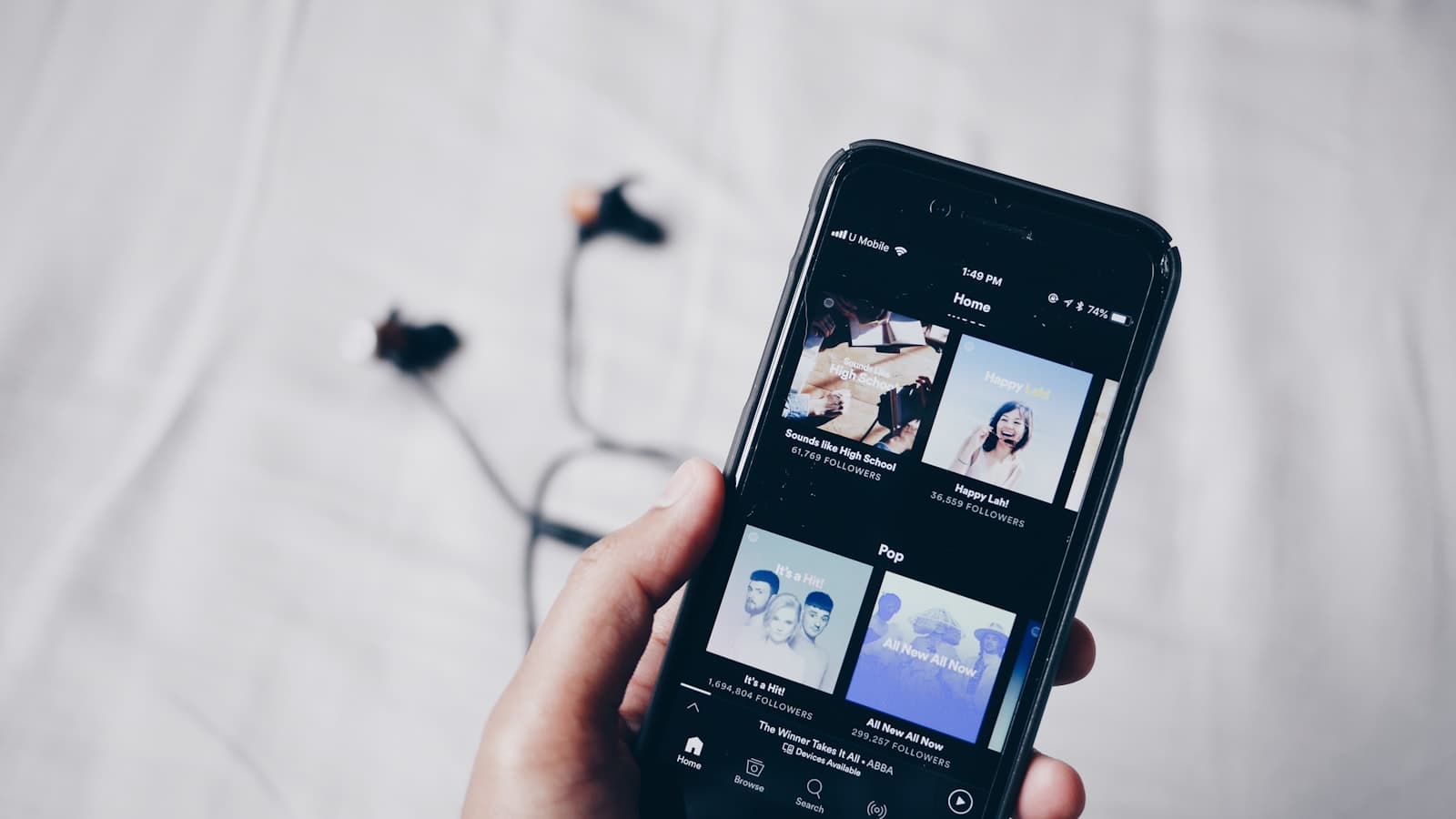
Indirectly, yes. A website will not game an algorithm, but it captures people who search your name after hearing you, and it gives every playlist placement and press mention a home base that links back to your profiles. Fans who join your list can be told directly about the next release, which is what playlists cannot do for you.
How much does a musician website cost in 2026?#
Anywhere from free to a few hundred dollars a year. Purpose-built platforms have free tiers that cover a real multi-page site. The bigger cost was always time, and that is the part that has collapsed. If a tool asks you for a weekend before anything is live, pick a different tool.